Experience Life With Clear Vision.
No Glasses, No Contact Lenses. Just LASIK. Designed Around Your Life, Your Comfort, And Your Clarity
Complete the short form below to schedule your consultation.
We’ll confirm a time that suits you and guide you on the next steps toward clear, confident vision with LASIK
Experience Life With Clear Vision. No Glasses, No Contact Lenses. Just LASIK. Designed Around Your Life, Your Comfort, And Your Clarity
Complete the short form below to schedule your consultation.
We’ll confirm a time that suits you and guide you on the next steps toward clear, confident vision with LASIK




Clear Vision Is The Goal, Safety Is The Standard
If you wear glasses or contact lenses, you already know the small daily inconveniences. Fogging, dryness, searching for backups. Many people quietly wonder if there’s a simpler way to see clearly. There is.
LASIK is a precise laser procedure that reshapes the front surface of the eye to improve vision and reduce reliance on glasses or contacts. The most common hesitation is safety, and that’s completely understandable.
LASIK should never feel like a gamble. When performed correctly, it is a carefully planned medical process, tailored to your eyes, not a one-size-fits-all promise. Once you understand how suitability is assessed, the decision becomes much clearer.
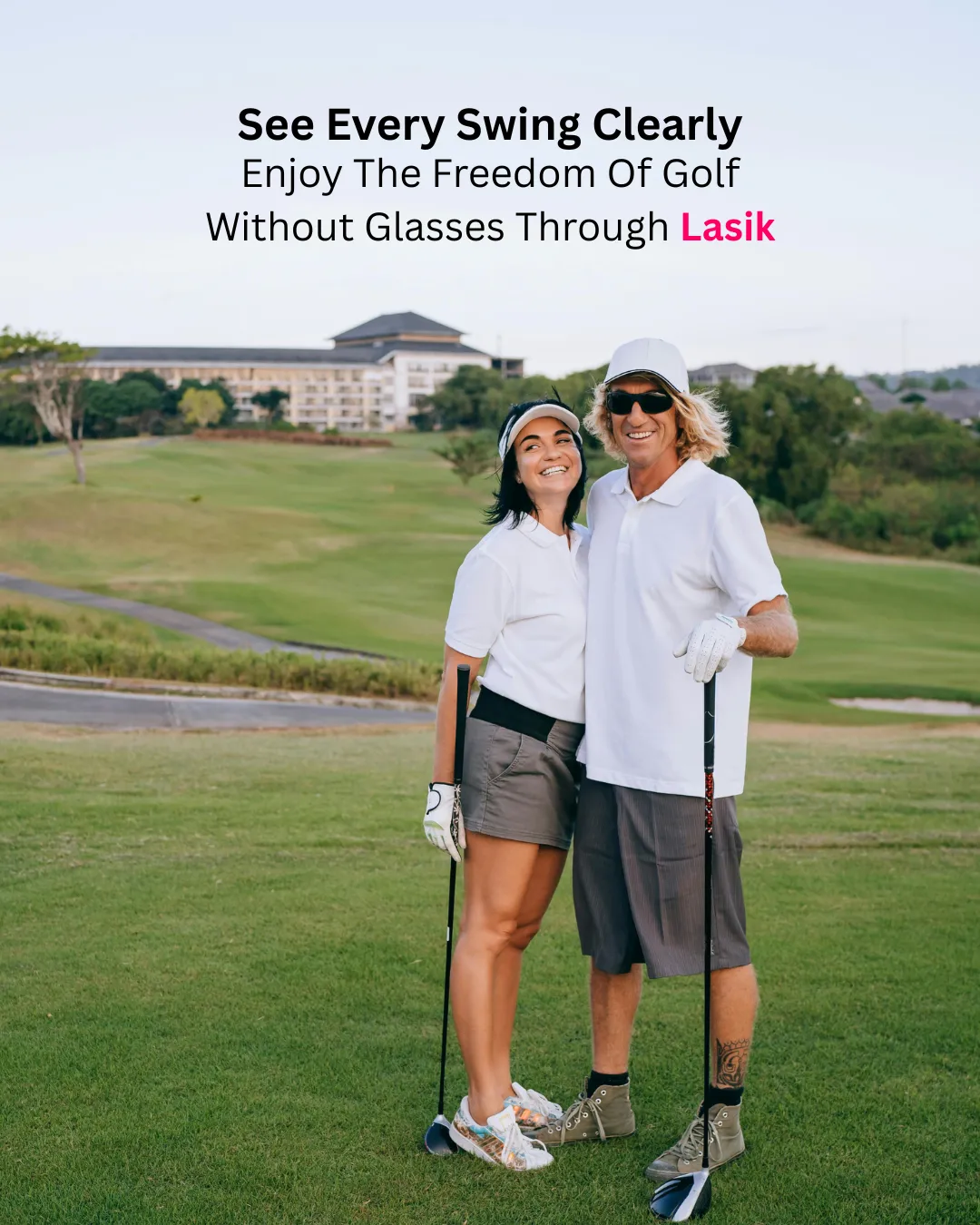
Reduce Your Dependence On Glasses And Contacts With Modern LASIK.
Glasses and contact lenses work well for many people, yet some may wish for a more lasting way to achieve the same clarity of vision. Over time the need for updates and replacements can add up both financially and in daily reliance. A once-off investment in vision correction often costs less, in the long term, than years of regularly replacing glasses.
Less dependence on glasses and contacts every day.
Fewer repeat replacements, upgrades, and surprise costs.
Clearer, simpler routine for work, gym, travel, and life.
Lasik Suitability Consultation
A Personalised Assessment Of Your Eyes And Your Options
This consultation provides a clear understanding of whether laser vision correction is safe and appropriate for you, together with thoughtful guidance on the next steps.

A clinical assessment to confirm LASIK suitability

A clear explanation of what LASIK would look like for you

Your next steps laid out simply, how to proceed.

An opportunity discuss your questions in detail and receive clear, well-informed guidance
Why patients trust
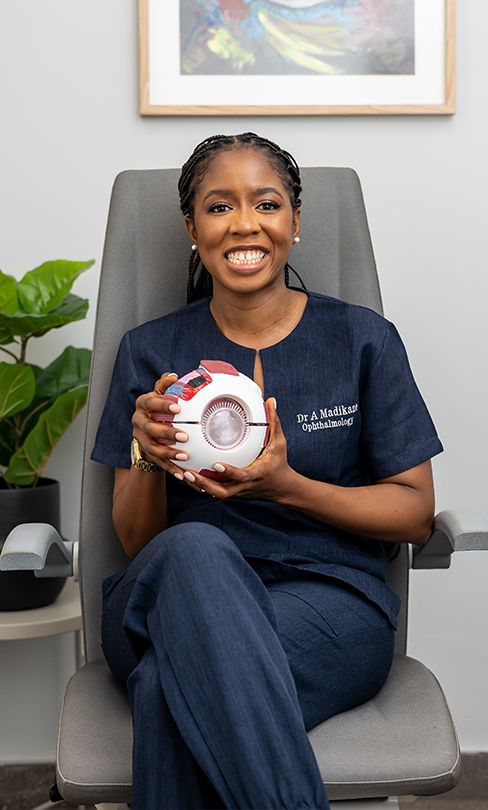
Dr Anesu Madikane
for LASIK
Dr Anesu Madikane is a specialist ophthalmologist with focused training in laser refractive surgery. Patients trust her because she combines strong clinical standards with clear, honest guidance and a safety-first approach. Her work is backed by advanced training, modern diagnostic technology, and recognised leadership roles within the profession, so you can explore LASIK with confidence and know you’re being guided by expertise.
Specialist ophthalmologist with focused training in laser refractive surgery.
Training:
- Stellenbosch University
- University of Pretoria
- University of Edinburgh
London Vision Clinic forefront refractive surgery course.
Fellowship from the World College Of Refractive Surgery And Vision Sciences
The everyday impact of LASIK
LASIK is not only about sharper vision. It is about reducing the daily reliance that comes with glasses and contact lenses so routines feel simpler, plans feel effortless, and everyday activities feel easier.
Things to look forward to with LASIK:
Wake up and see clearly without reaching for anything.
Reduce dependence on glasses and contacts in your everyday routine.
Fewer repeat costs for lenses, frames, replacements, and upgrades over time.
Easier training, sport, and movement without eyewear getting in the way.
Simpler travel and spontaneous plans without packing vision “extras.”
More comfort through long screen days without relying on contacts.
Clearer vision for driving, meetings, and day-to-day tasks.
A long-term vision upgrade that fits a busy, active lifestyle.
Make LASIK a clear decision,
not a lingering “maybe”
If LASIK has been on your mind, it often comes down to two things: the desire for visual freedom and the importance of protecting your eyesight. That balance is completely valid.
LASIK should never feel rushed or uncertain. The aim is to approach it as a careful clinical assessment with clear standards and personalised guidance, so you understand your options and what suits your eyes best.
To gain that clarity, complete the short form below to arrange a consultation. We will be in touch to confirm a time that works for you.
Frequently Asked Questions
What is LASIK, in simple terms?
LASIK is a laser procedure that reshapes the front surface of the eye to help you see more clearly without relying on glasses or contact lenses.
Am I a good candidate for LASIK?
The only way to know is to assess your eyes properly. Some people qualify easily, others do not, and that is exactly why the consultation matters.
Is LASIK safe?
When you are properly assessed and treated by an experienced ophthalmology team using modern technology, LASIK is considered a well-established procedure. Your consultation is where safety and suitability are confirmed for your eyes.
How long does LASIK take and what is recovery like?
The procedure itself is quick, but the full visit includes checks and preparation. Recovery varies from person to person, and you will be guided on what to expect based on your work, driving, and daily routine.
Will I ever need glasses again after LASIK?
Many people enjoy long periods of reduced dependence on glasses and contacts. Later in life, it is still common to need reading glasses, and this is explained upfront so you can make a clear decision.
Where You Can Find Us
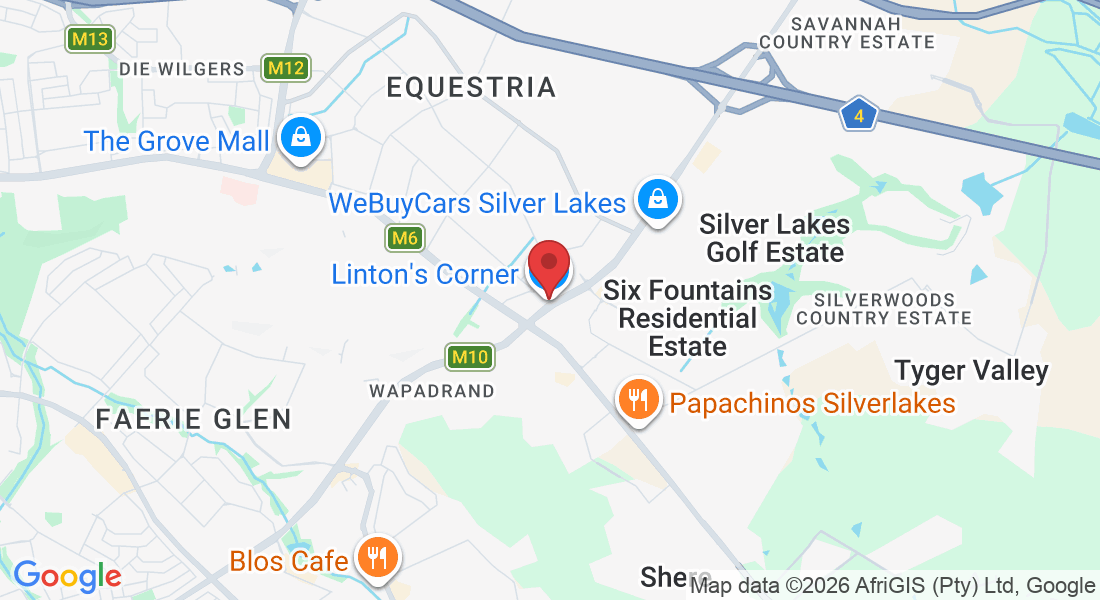
Linton's Corner Retail Park, Upper Level Medical Suites, Cnr Solomon Mahlangu Drive and Lynnwood Road, Equestria, Pretoria, 0184
+27 (0)12 021 0354
073 456 0428